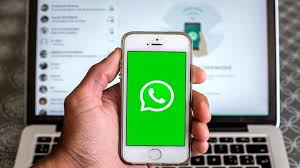
Soon, an active SIM will be required to send messages. The main aim is to ensure traceability and curb cyber fraud, though experts have different perspectives.
Clearly, this will influence millions of users across the country. Fintech news latest are right here.
The Department of Telecommunications (DoT) has now made it clear that these platforms should make it hard for users to utilise their services unless their device contains an active SIM card.
Actually, the new Telecommunication Cybersecurity Amendment Rules, 2025, have been introduced, and this move is a part of that.
This mandates that such tele-communication needs to be app-based for the first time.
Under the new legislation, the apps, which are technically called Telecommunication Identifier User Entities (TIUEs), must establish that SIM cards remain connected to their service or connect to them within 90 days.
The DoT (Department of Telecommunications) has also declared a critical alteration for customers who approach the platforms by logging in through a web browser; platforms must disable users after six hours and should ask for re-authentication again with a unique QR code.
Clearly, dear user, the government come down heavily on cyberfraud, and the intent is clear here.
The argument from the government side is that thieves will find it more difficult to cheat through such apps while in remote locations, as sessions will be linked to an active and verified SIM.
Reason And Intent Behind The Move: Fintech News Latest.

The DoT maintains that the action aims to address the loopholes in how communication apps carry out the verification of their users.
Currently, following installation, only once, user authentication is done by most of the services, which allow them to use the apps regardless of whether a SIM card is installed or not.
“The binding process between a subscriber’s app-based communication services and their SIM card occurs only once during installation, after which the application continues to function independently,” the Cellular Operators Association of India (COAI) gave their insight on the issue.
This makes it achievable for abuse to occur, and innocent citizens lose millions of dollars to such cyber crimes every year. Get to us for fintech news latest.
Even after switching or deactivating SIMs, the shrewd cybercriminals—who sometimes oct from other countries- can still access and use these apps and tracking them down becomes a hard nut to crack.

COAI maintains that now, with persistent SIM binding is likely to “help reduce spam and fraud communications” and would thwart financial scams which are done through such messaging platforms.
It would also “maintain demanding traceability between the user, the number, and the device.”
Most users may encounter abrupt checks and relogins and then the utilizing apps on other devices will see interruptions, if no active SIM is there.
Experts are still unclear if such would completely eliminate scams.
What Happens In Other Industries: Tech News updates in India.
In allied industries such as digital payments, such a robustly protected framework is already in place and flourishing.
Herein, draconian SIM verification is emphasised and drawing payments this way is not any trumpery (dear user, this is not for President Trump).
Unwanted access is checked, and a few months ago, SEBI (Securities and Exchange Board of India even suggested linking trading accounts to the SIM for easy tracking as well as facial recognition for an advanced level of security.
Let’s Find Out The Experts’ Opinion: Tech news updates in India.
While some industry leaders contend that this would be a booster shot to check fraud and traceability would improve between individuals and their devices, many don’t hesitate to downplay it.
Cybersecurity bigwigs opine that those skilled and experienced in con games would still get around such safety parameters, as they would obtain new SIM cards with counterfeit ID cards or ones with limited benefits.
Nevertheless, telecom sector personnel argue that mobile numbers are the most trustworthy digital IDs and such alteration will “squeeze more juice” out of the existing verification system to reform cybersecurity and accountability.
Now, the key question is whether companies like Telegram and WhatsApp can take these steps without sacrificing privacy or user experience.
For millions of users, it could mean losing the convenience of staying logged in on web browsers or being locked out of their favourite apps if their SIM goes inactive.
If their SIM becomes dysfunctional, it will disable millions of users from logging in onto online browsers, or they could even be logged out of their favourite apps.
So keep clicking with us for uncovering precise tech news updates in India.