As of now, globally, dementia has affected 57 million people and sounding the alarm, scientists say that the number is likely to grow steeply.
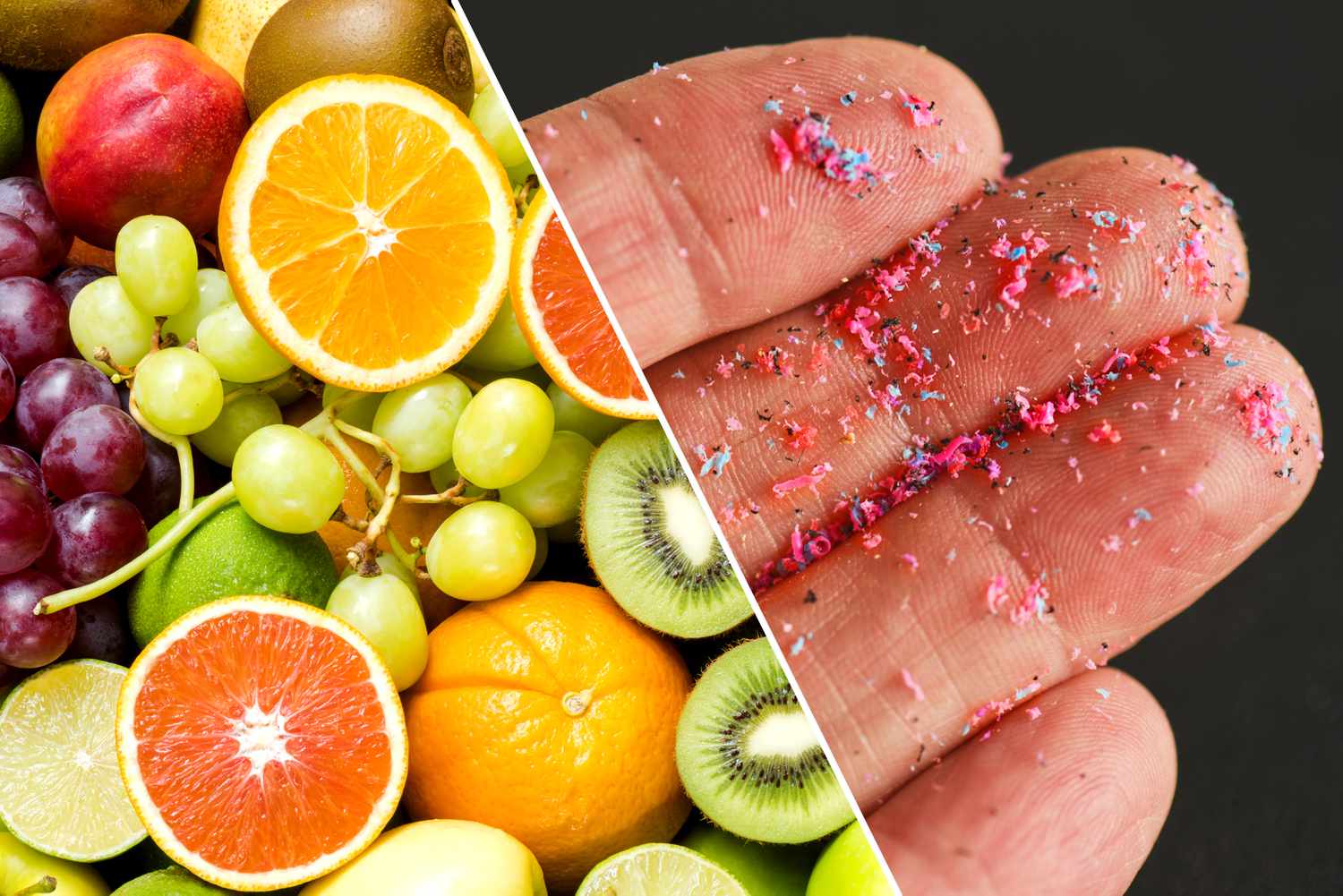
The reason is the tiny plastic particles, which subtly harm the brain, and a strange aspect is that we breathe, consume and ingest the particles almost daily, unabated.
For neurological illnesses, microplastics may be the culprit, as doctors ascribe disorders like Parkinson’s and Alzheimer’s to microplastics’ intake.
A study gives credence to such a claim, but this also fans health concerns, which are already making rounds worldwide.
Microplastics Renew Our Optics: Climate Change is Dangerous
Sooner or later, we are likely to put the spotlight on ordinary environmental threats as these exacerbate such diseases.
PLASTIC Embellish Our DINNER PLATES: Environment News Updates in India
Here, Kamal Dua comes into the scene, who is a Pharmaceutical scientist and associate professor at the University of Technology Sydney, who regards our exposure as excessive.
Ms Dua is pretty sure that humans, around the world consume 250 grams of microplastics every year, which is at par with the dinner plate.
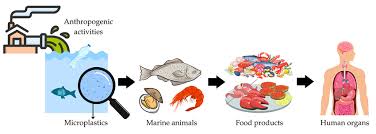
“We ingest microplastics from a wide range of sources, including contaminated seafood, salt, processed foods, tea bags, plastic chopping boards, drinks in plastic bottles and food grown in contaminated soil, as well as plastic fibres from carpets, dust and synthetic clothing,” Prof Dua analyzed.
Dua enumerated dozens of plastic types which fuel this growing issue, and such a list includes polyethylene, polypropylene, polystyrene, and polyethylene terephthalate, or PET.
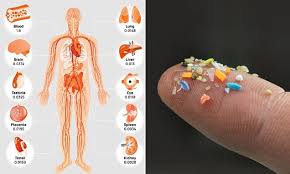
He included, “The majority of these microplastics are cleared from our bodies. However, studies show they do accumulate in our organs, including our brains.”
BRAIN Is VULNERABLE: Environment News Updates in India
Microplastics can be harmful to the brain in five main ways, and such have recently found a place in Molecular and Cellular Biochemistry.
The ways microplastics can aggravate immune cells may contribute to oxidative stress, weaken the blood barrier, disrupt mitochondria, and damage neurons.
He revealed, “Microplastics actually weaken the blood–brain barrier, making it leaky. Once that happens, immune cells and inflammatory molecules are activated, which then causes even more damage to the barrier’s cells.”
“The body treats microplastics as foreign intruders, which prompts the brain’s immune cells to attack them. When the brain is stressed by factors like toxins or environmental pollutants, this also causes oxidative stress,” he continued.
Dua did not hesitate to claim that microplastics even interfere with the generation of energy by cells, and the apt example is mitochondria.
Now, when the energy is low, it also weakens neuron activity, which is detrimental to cells. Environment news updates, which can be argued.
Mr Dua issued a warning here, “all these pathways interact with each other to increase damage in the brain.”
The study analyzed how microplastics might prepare a solid ground for Parkinson’s and Alzheimer’s.
Nevertheless, the authors did not rule out further investigation, which would help unearth a clear connection. Environment news updates, filtered and verified.
Meanwhile, the researchers at UTS and Auburn University still rack their brain to find how and how much, the microplastics exposure leads to brain cells damage.
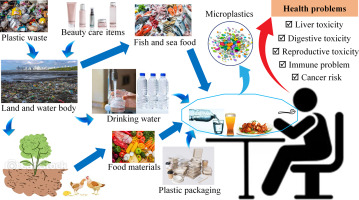
Discount this, we have another gentleman here, Dr Keshav Paudal, who is also the co-author of the study, and his remarks are, “We need to change our habits and use less plastic. Steer clear of plastic containers and plastic cutting boards, don’t use the dryer, choose natural fibres instead of synthetic ones and eat less processed and packaged foods.”
In a nutshell, to downsize plastic production and to safeguard long-term public health, the researchers are firm that the outcome of their research will help bolster environmental regulations.