Key Snapshots:
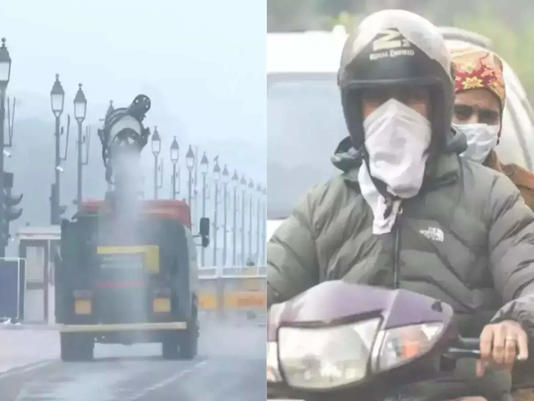
Persistent exposure to polluted air causes respiratory and cardiac problems, which have an adverse effect on people from all walks of society and all types of people, whether they are vulnerable or healthy ones.
At 14 places across Delhi, the AQI could translate into poisonous air. Cast a glance at Chandni Chowk (431), Nehru Nagar (436), and RK Puram (420). Save these; most of the other regions in Delhi indicated an extremely poor level of air pollution.
Rising levels of PM2.5, NO2, and CO originating from cars and other combustion sources underline a need for an immediate systemic approach to check emissions across Delhi NCR.
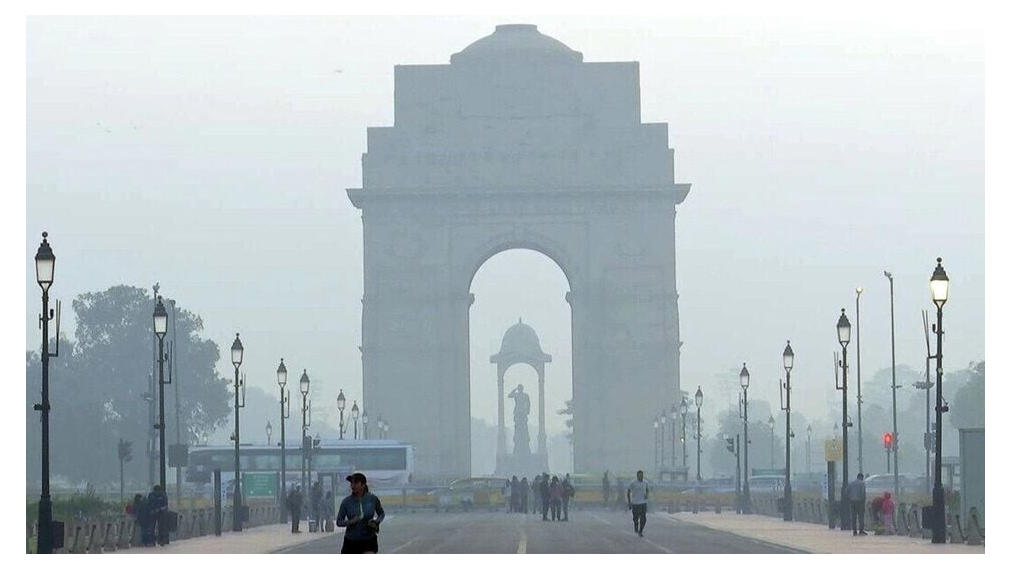
To begin with, Wednesday, December 02, yesterday) Morning didn’t begin fine for the inhabitants of Delhi, humans and animals, as they saw a thick sheet of smog hanging overhead.
Then, Delhi recorded an AQI of 376, while at some spots the AQI was far higher, and in the words of the Central Pollution Control Board (CPCB), they call this state “severe”.
How did The Day start? Delhi Pollution News Latest
It was 7.05 AM, and at 14 stations, AQI readings crossed the 401 mark, which is thought to be severe just yesterday.
Talking about the average Air Quality Index (AQI), it stood at 376.
November 30 Scenario: Environment News Updates In India
Interestingly, but AQI could not rise beyond 279, which translates to a poor range, while on the following day, December 01, this was 372.
Presenting A Clear Picture Here, Location-wise: Environment News Updates in India
We have data about specific locations across Delhi which had the greatest levels of air pollution with an AQI that rose to the “severe” range.
However, the Dwarka location seemed to have breathed better than the rest, as the Sameer app, owned and administered by CPCB, shows it to be the sole place in NCR where AQI could not fluctuate beyond the “poor” range.
After this, the rest of the 25 stations recorded “very poor” AQI yesterday, and Nehru Nagar and Chandni Chowk, air quality was the worst.
Centre For Science And Environment Brings Out A Detailed Analysis:
The Centre for Science and Environment (CSE) recently circulated a paper which scanned the key trends of air quality in Delhi NCR in early cold months, i.e. November and December.
Toxicity in the air escalates frequently, and a clear picture about it is captured in the report, as “more worrying is the daily synchronised rise of PM2.5 and other toxic gases of nitrogen dioxide (NO2) and carbon monoxide (CO) largely from vehicles and combustion sources, creating a toxic cocktail that has gone unnoticed. The long-term air quality trend in Delhi has also plateaued without showing improvement. This signals an urgent need for deep-rooted shifts in infrastructure and systems to upscale action to cut emissions from vehicles, industry, power plants, waste, construction and household energy.”
Prolonged exposure to hazardous air not only gives way to breathing difficulties among those suffering from asthma, lung ailments or heart disorders, but such is also disastrous to healthy individuals.
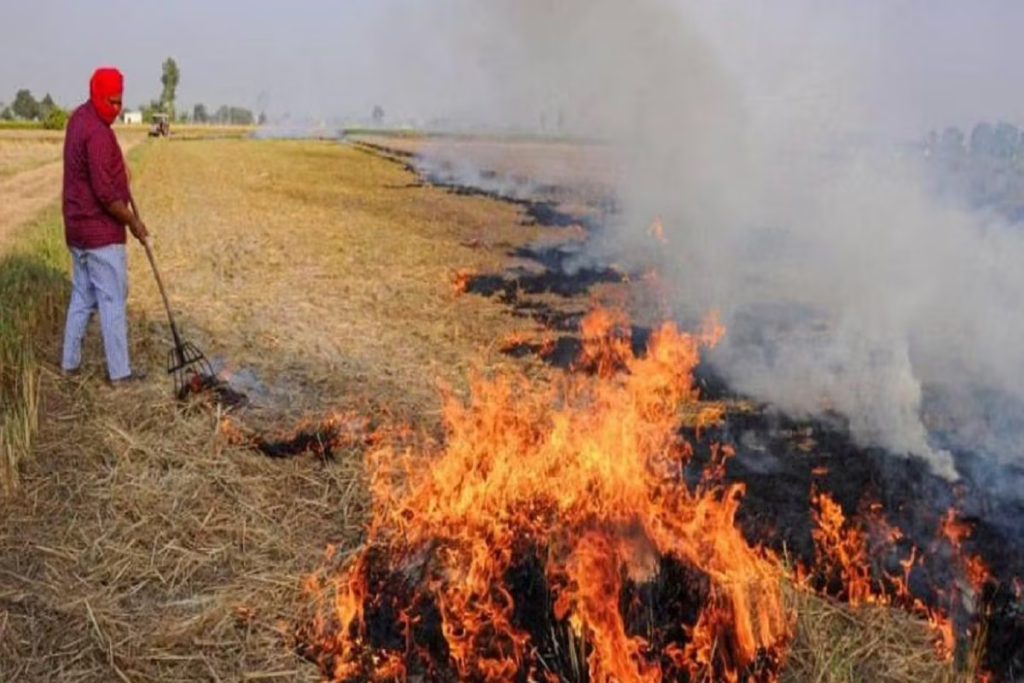
Citing worsening air quality in smaller parts of the National Capital Region (NCR), the report further noted, “The tinier towns in the region display more intense and longer-lasting smog buildup. Even though the peak pollution spikes are lower this winter due to the lesser contribution of farm fires, the airshed is getting increasingly more saturated.”
Now, dear reader, let’s see how the weather and the air unfold in the coming day in Delhi NCR, and we shall keep you updated with true news from verified sources.