In our country, there has been a grave concern centered around heart disease, as the majority of deaths are registered due to this.
From 2014 to 2019, heart attack cases in India rose by 50%, highlighting the urgent need for awareness and prevention.
Which Are The Major Contributors?
Urbanization, changing lifestyles, bad diets, sedentary behaviour, and the rising prevalence of illnesses such as diabetes and obesity need to be addressed.
Heart Diseases Impact the Economy Too:
As a matter of fact, heart disease has a great impact on the national economy, healthcare infrastructure, and the lives of not only the patients but also their families.
Now, harping upon the causes possible and responsible for the menace is of utmost importance, and so are the warning signals, and organizing the preventive strategies is vital too.
Implementing these approaches, along with consulting doctors, is necessary to curb rising heart attack numbers.

What leads to heart attacks, and what hidden risks should we be concerned about
When a blood clot in a coronary artery occurs, it impedes the blood supply to a section of the heart muscle, and such a menace causes a heart attack.
Such a blockage stops oxygen to the heart tissue and cells die which damages heart majorly which is beyond repair and the patient can succumb to such a issue is instant medical care is not at hand.
Silent Factors Need To Be Identified:
Such influences need to be checked which precede heart attacks but which remain away from being detected for years.
Dr Sudhir Kumar comes in, who studied at CMC Vellore and currently serves at Apollo Hospitals. He opines that pre-existing factors account for almost 99% of heart attacks, strokes, and even heart failures.
Although individuals may feel superb, the initial stages of cardiovascular disease can evolve in a clandestine manner, and the health situation may worsen.
The Risk of a First Heart Attack can be due to certain health concerns prevailing thereby.
Most people who experience their first heart attack have hidden health conditions.
The four silent risk factors are pretty frequent :
a) High blood pressure (hypertension):
High blood pressure (hypertension) inflicts damage to the arteries over time, increasing the danger of plaque formation and heart attack.
b) High cholesterol levels:
Excess LDL cholesterol results in fatty deposits in the arteries, which reduces blood flow to the heart.
C). High blood sugar (diabetes or pre-diabetes):
High glucose levels impair blood arteries and accelerate heart disease.
d) Tobacco use history:
Smoking or tobacco usage upsets the heart and blood arteries, which can cause cardiovascular disease.
Regular monitoring is of paramount importance as such factors may not be visible until a cardiac event critical enough occurs.
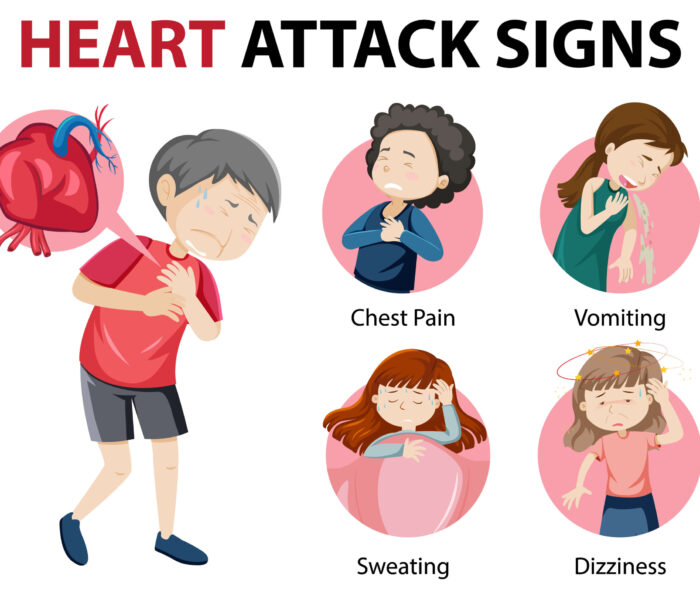
Identifying Warning Signs of a Heart Attack
If we are able to pinpoint the early signs of a heart attack, it can help save lives.
At any prominent heart care hospital, cardiologists underline the following warning indications:
- Consistent or recurring chest discomfort or pressure.
- Pain radiating to the back, neck, jaw, or arms
- Shortness of breath or difficulty breathing.
- Symptoms include nausea, vomiting, or heartburn.
- Feeling dizzy or fainting, Excessive sweating, and abnormal weariness
- Anxiety or the sense of impending disaster
Now, as these symptoms take form, one should immediately rush to medical assistance, and early intervention would prove beneficial for the patient.
Besides, such would also help prevent any long-term harm.
How To Maintain A Healthy Heart And Prevent A Heart Attack

Certain strategies need to be stressed upon, such as:
Maintaining heart health necessitates ongoing monitoring and proactive care.
Preventative strategies include:
- Be mindful of what you eat and diet should be with little salt, sugar, and harmful fats.
- Regular exercise, ideally 30 minutes every day.
- Avoiding tobacco and reducing alcohol intake
- Managing stress with mindfulness and meditation, or counseling.
- Ensure routine medical screenings to track risk variables.
Experts are pretty certain that adhering to such guidelines and being aware of the early warning signs of heart health indicators can help reduce heart attack instances to a great extent.